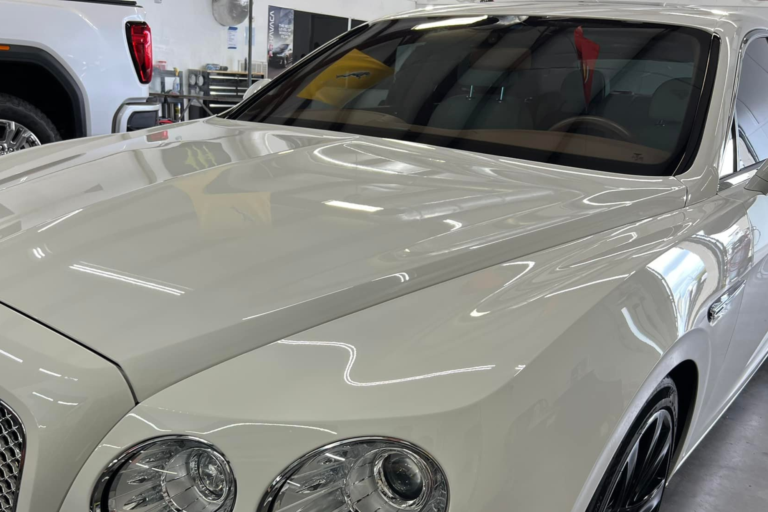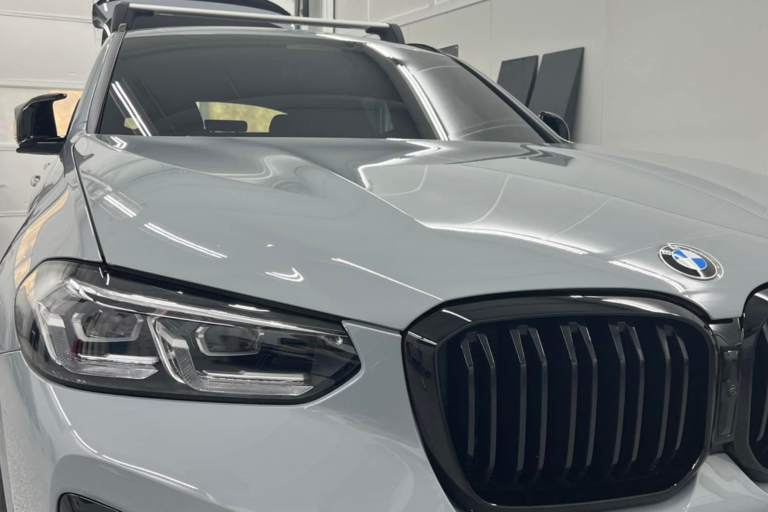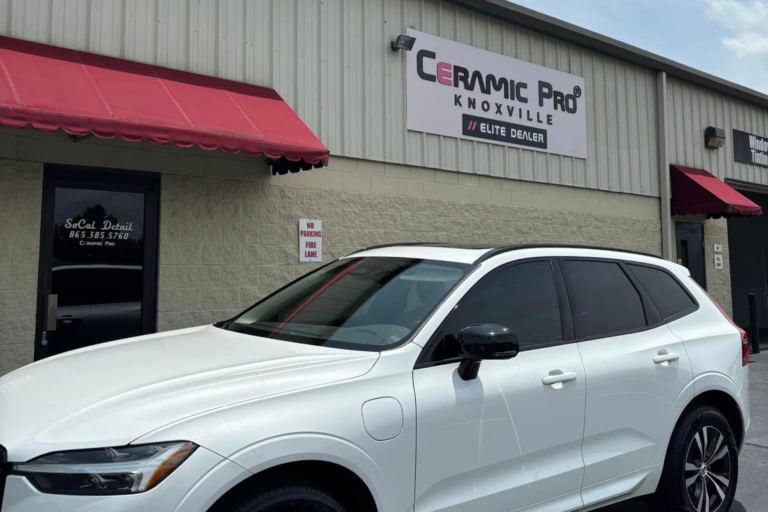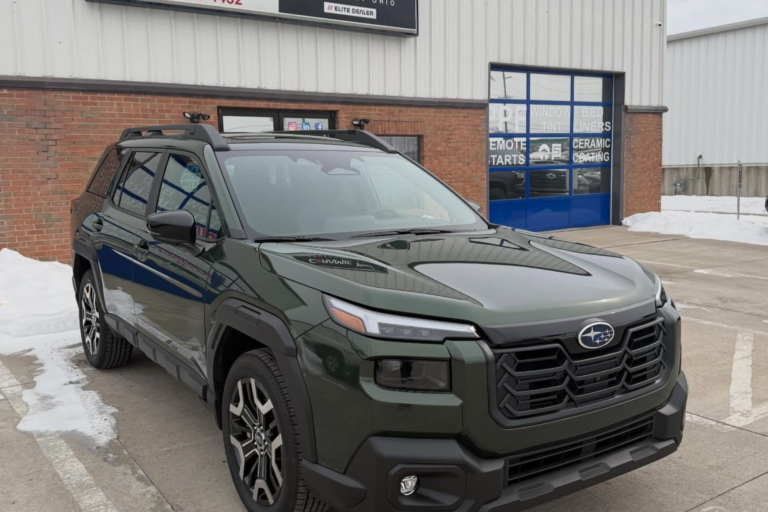
Paint protection film protects against unpredictable weather and environmental damage by acting as a high-performance thermoplastic polyurethane barrier that absorbs impact and filters harmful radiation. It utilizes a specialized self-healing topcoat to prevent swirl marks caused by wind-blown debris and to create a non-porous seal that prevents chemical etching from acidic contaminants.
The Science of Surface Defense
The exterior of a vehicle is constantly under siege from elements that are often invisible to the naked eye. While we see the rain and feel the wind, we don’t always witness the microscopic oxidation or the chemical reactions taking place on the clear coat. This is where paint protection film (PPF) becomes an essential asset. By providing a sacrificial layer significantly thicker than any factory paint, the film ensures the underlying finish remains in showroom condition regardless of the external climate.
In regions with high humidity and sudden temperature swings, such as the humid subtropical climate of Knoxville, TN, the expansion and contraction of vehicle panels can make standard paint brittle over time. The film remains flexible, moving with the vehicle’s substrate to prevent micro-cracking that often leads to long-term clear-coat failure. Because automotive paint is porous, it naturally traps moisture and pollutants; PPF effectively “plugs” these pores, creating a flat, hydrophobic surface that sheds water and debris before they can take root.
How PPF Counteracts Specific Hazards
To understand the mechanical advantages of this technology, we must look at how it handles different types of environmental stress compared to unprotected surfaces. The film is engineered to be “low energy,” meaning it repels contaminants rather than allowing them to bond. This is particularly useful for drivers looking for PPF in Knoxville, TN, who want to avoid the stubborn staining caused by local pollen and industrial fallout.
Comparison: Protected vs. Unprotected Surfaces
| Environmental Factor | Impact on Factory Paint | Impact on PPF-Protected Paint |
| UV Exposure | Causes oxidation, fading, and brittleness. | UV inhibitors block rays, preserving color. |
| Acidic Rain | Creates permanent chemical etching. | Highly resistant; contaminants sit on the film. |
| Road Salt | Accelerates corrosion and rust. | Creates a moisture-proof seal over the metal. |
| Debris | Results in chips, cracks, and pitting. | Absorbs energy; self-healing layers fix scratches. |
When driving through areas like Bearden or near the Tennessee River, vehicles are often subjected to higher concentrations of moisture and road grime. For those seeking the best paint protection film in Knoxville, TN has to offer, understanding this comparison is vital. Without a film, minerals in the water can bake into the paint in the sun, leading to water spots that require professional removal.
The 4-Layer Defense Mechanism
The film’s effectiveness is not accidental; it is the result of complex material engineering. Every square inch of the material consists of a multi-layer stack designed to handle specific threats simultaneously. This engineering is a primary reason why Knoxville, TN, paint protection film is a popular choice for high-end vehicle owners in the region.
1. The Clear Coat (Top Layer)
This is the “smart” layer. It contains elastomeric polymers that, when heated, allow the film to return to its original flat state. This means that light scratches from washing or brush contact simply disappear. It also acts as the primary filter against ultraviolet radiation, preventing the paint beneath from yellowing or “chalking”.
2. The TPU Center
The thermoplastic polyurethane core is the workhorse. It is a tough, flexible material that can stretch and compress without tearing. When a rock hits the bumper at highway speeds, this layer absorbs and dissipates the energy, preventing the paint underneath from shattering. Its thickness provides a literal cushion between the road and your car.
3. The Acrylic Adhesive
This layer ensures a seamless, optically clear bond. It is designed to withstand high-pressure air and water but remains stable enough to be removed years later without leaving residue or pulling the paint. It features specialized “air-release” technology to ensure that no bubbles are trapped during the application.
4. The Release Liner
This protective backing is used during manufacturing and shipping to ensure the adhesive remains uncontaminated until installation. It ensures that the “wet look” of the film is preserved from the factory to your vehicle.
Debunking the Hard Coating Misconception
A common industry myth is that a liquid-applied hard coating is sufficient to prevent all forms of damage. While these coatings are excellent for adding shine and making a vehicle easier to wash, they serve a fundamentally different purpose than heavy-duty film.
The reality is that liquid coatings are measured in microns, whereas the film is measured in mils. A coating is essentially a premium wax replacement that provides chemical resistance. It does not, however, have the mass or the elasticity to stop a stone from chipping the hood. Only the physical thickness of a film can prevent the pitting caused by gravel and road debris. For enthusiasts in West Knoxville who frequently commute on interstate corridors, relying solely on a coating often leads to disappointment when the first rock strike occurs. This is why many residents prioritize paint protection film in Knoxville for their daily drivers.
Applying our Vanguard Shielding to Solve This
At our facility, we go beyond a standard application by utilizing our proprietary Vanguard Shielding method. This is not just a product but a rigorous installation philosophy designed to maximize the film’s lifespan and the vehicle’s protection.
Precision Plotting and Modification
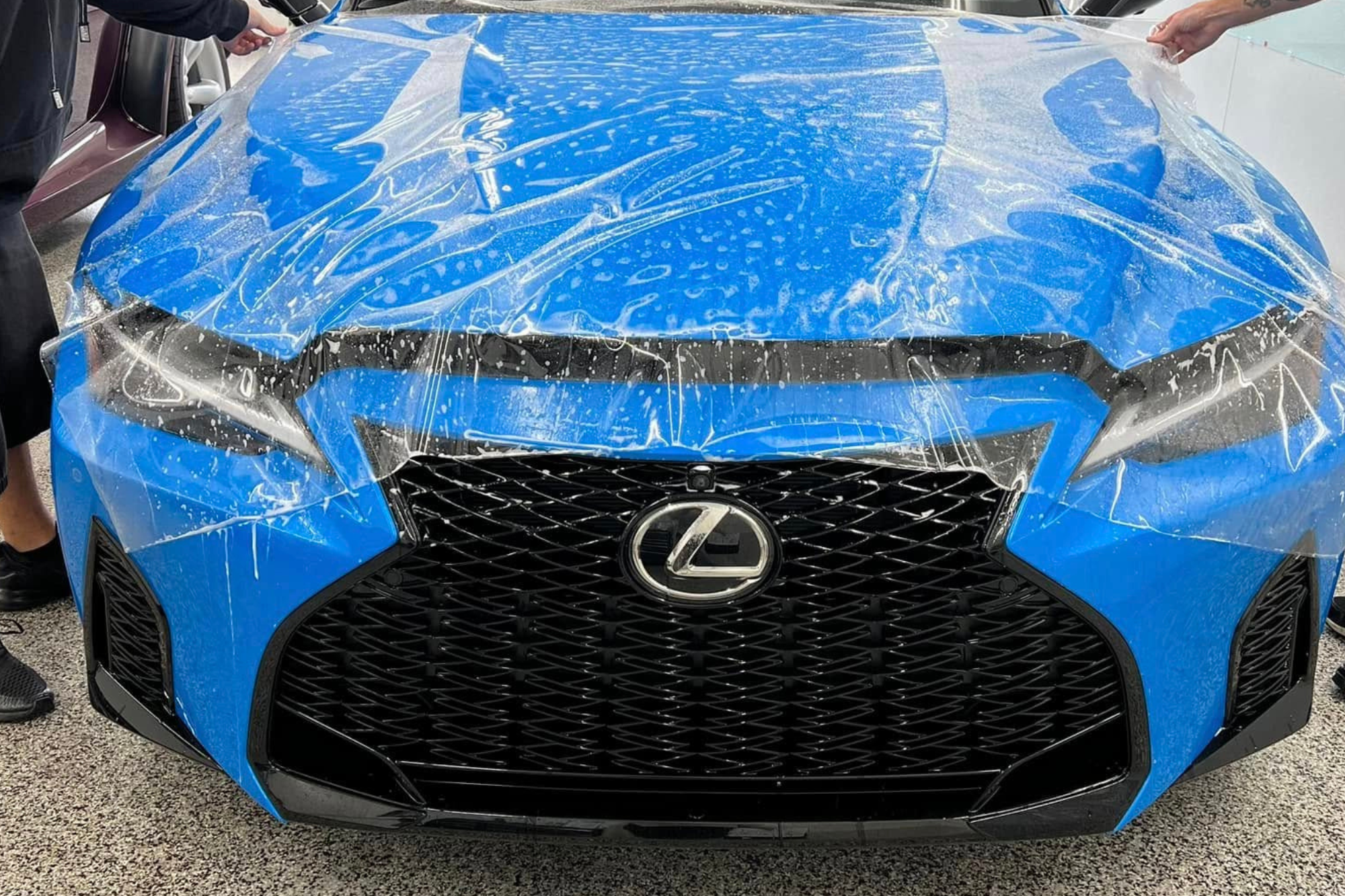
We start by using advanced software to plot templates specific to the vehicle’s make and model. However, we don’t just use the standard cut. We manually modify these digital files to “extend” the edges. This allows us to wrap the film around the back of the panels, ensuring that the film’s edge is not exposed to the wind or high-pressure water. This extra step is why our PPF installations stand the test of time.
Thermal Calibration
The film’s self-healing properties are activated by heat, but the installation also requires precise temperature control. During our Vanguard Shielding process, we monitor the panels’ surface temperature to ensure the acrylic adhesive reaches its maximum bond strength. This is particularly important for clients in Knoxville, TN, where the temperature can swing thirty degrees in a single day.
Decontamination Stabilization
Before the film even touches the car, we perform a deep-pore cleaning of the paint. If any iron particles or industrial fallout are trapped under the film, they can oxidize over time. Our shielding process ensures the substrate is surgically clean, creating a vacuum-like seal that prevents any decay from starting underneath the protection. This is a hallmark of high-quality paint protection film.
Why Impact Resistance Matters for Long-Term Value
When you consider the cost of a modern paint job, the investment in film becomes an asset management decision. Modern automotive paints are often water-based and much softer than the lead-based paints of previous decades. This makes them more susceptible to “road rash”—the collection of tiny white dots on the front bumper caused by sand and small pebbles.
By utilizing a high-quality film, you are essentially preserving the factory finish in a time capsule. When it comes time to sell or trade the vehicle, the film can be removed to reveal paint that hasn’t aged a day. This is a significant advantage in the local market, where well-maintained vehicles in the Farragut or Maryville areas command higher resale prices. For discerning buyers, seeing a record of paint protection film adds significant perceived value because it demonstrates that the owner went above and beyond to preserve the vehicle.
Maintenance and Care for Maximum Protection
While the film is incredibly durable, it is not indestructible. To ensure your protection lasts for the duration of its warranty, a few simple maintenance steps should be followed:
- Wait to Wash: After the initial installation, allow the film to “gas out” and the adhesive to fully cure for at least a week before washing for the first time.
- Distance is Key: When using a pressure washer, keep the nozzle at least 12 inches away from any seams or edges. High pressure can force water under the film if directed at the edge at a sharp angle.
- Address Contaminants: If bird droppings or tree sap land on the film, wash them off as soon as possible. While the film is resistant to etching, extreme heat can bake these acids into the topcoat over time. Professional paint protection film specialists always recommend prompt cleaning of organic debris to maintain the film’s clarity.
The Long-Term Economics of Protection
Many owners hesitate at the upfront cost, but a closer look at the economics of vehicle ownership shows that PPF is often cost-neutral or even profitable. A single respray of a hood or bumper to repair rock chips can cost nearly as much as the film itself, and a respray significantly lowers the resale value of high-end or exotic vehicles. By maintaining the “original paint” status, you avoid the heavy depreciation associated with body shop work. Furthermore, the time saved in detailing and paint correction over a five-year period often offsets the installation cost.
In Summary
Protecting a vehicle from the unpredictable nature of weather and the road requires more than just a regular wash. Paint protection film provides a sophisticated, multi-layered defense that handles everything from the harsh sun to the abrasive salts used during winter. It is a proactive solution that addresses the vulnerability of modern automotive finishes. By choosing a professional application through Ceramic Pro Knoxville, you ensure your vehicle remains shielded against the elements for years to come. Contact us today to schedule your consultation and give your vehicle the protection it deserves.
People Also Ask
Does the film yellow over time?
High-quality films are manufactured with UV stabilizers that prevent yellowing. Unlike films from twenty years ago, modern TPU-based films remain optically clear for a decade or more, even under heavy sunlight exposure.
Can you see the edges of the film?
With our Vanguard Shielding process, most edges are wrapped behind the panels. On areas where wrapping isn’t possible, the film is cut so precisely that it is virtually invisible to the naked eye, following the natural body lines of the car.
Will the film damage my paint if I remove it?
No. As long as the paint was in good condition or was factory-original at the time of installation, the film is designed to be removed safely without leaving any damage or sticky residue.