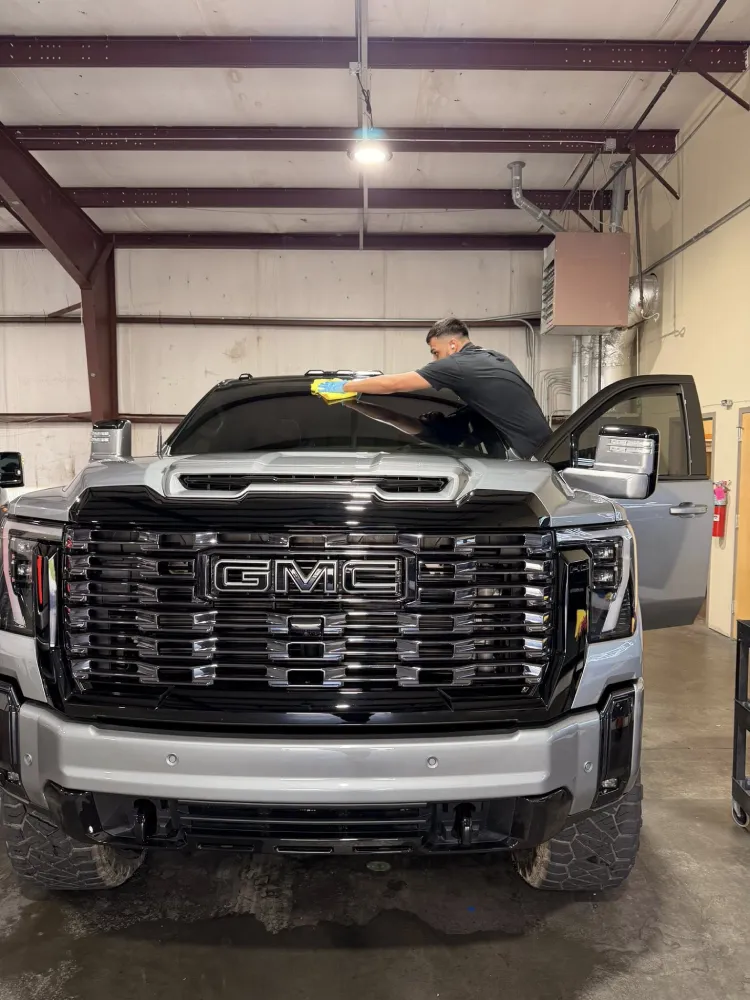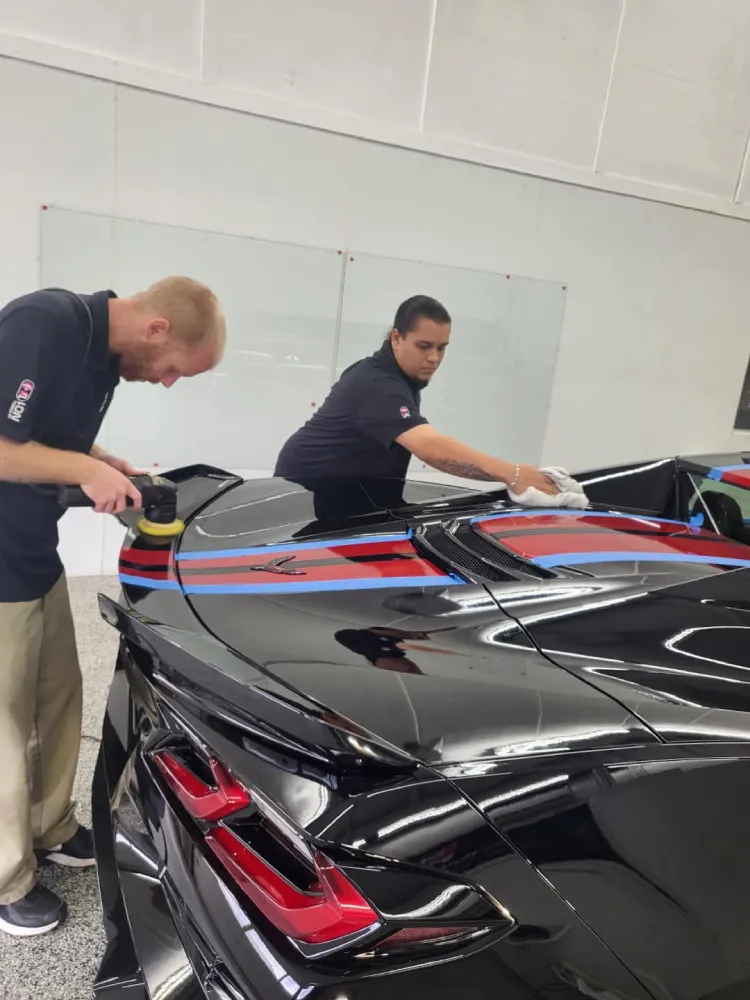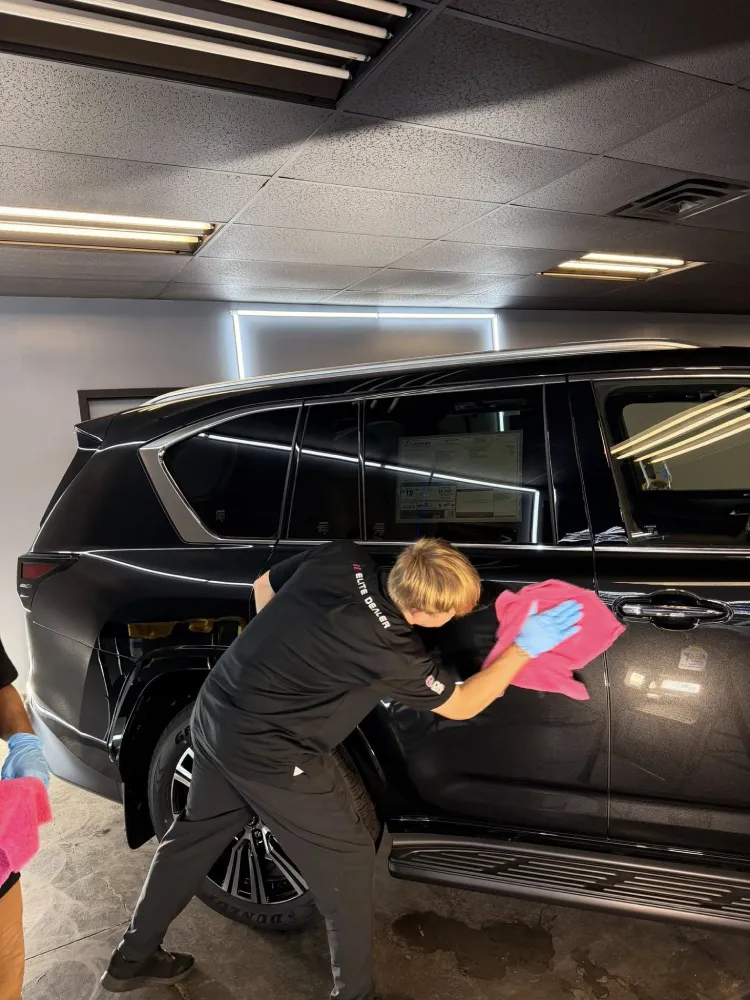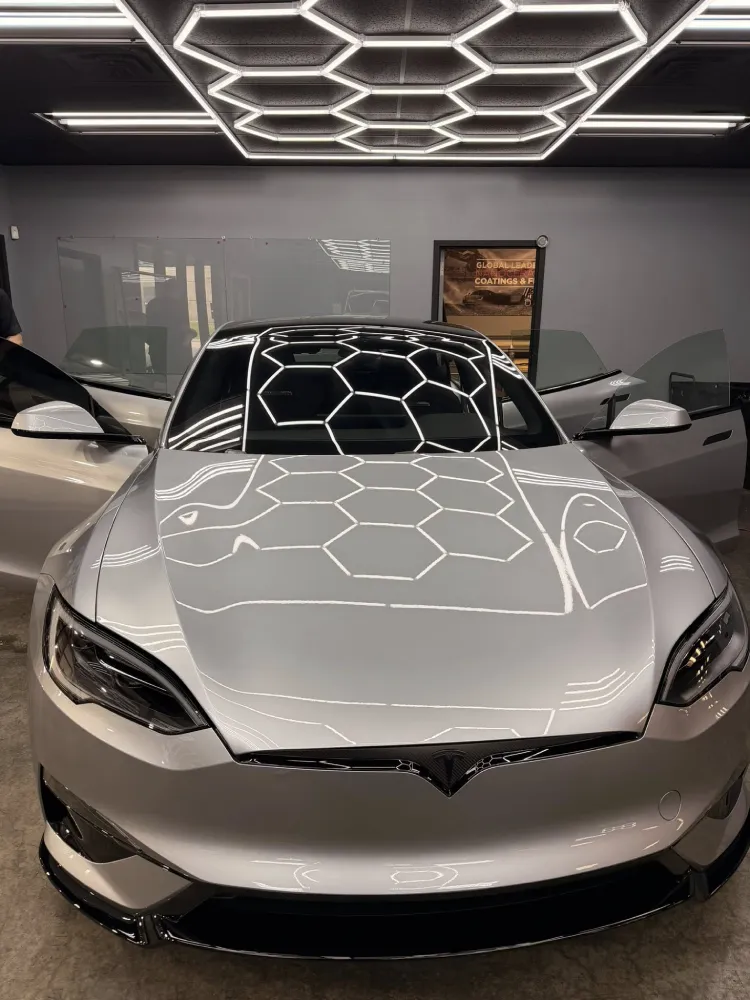
Ceramic coating helps older cars look brand new by applying a liquid polymer that chemically bonds with the factory paint, filling microscopic imperfections and adding a deep, glass-like luster. It provides a semi-permanent protective layer that enhances color depth and shields aging surfaces from oxidation.
Why Older Paint Needs Ceramic Protection
As a vehicle ages, the clear coat, the outermost layer of your paint, becomes increasingly porous. Constant exposure to the sun and outdoor pollutants causes the surface to degrade, leading to a dull appearance. On an older car, the paint has likely lost its original luster because the surface is no longer smooth; it is covered in micro-fissures that scatter light rather than reflecting it.
It acts as a sacrificial barrier, sealing these pores. For those maintaining a vehicle near the Great Smoky Mountains, the changing seasons can be particularly harsh on an older finish. Whether you are driving through West Knoxville or parking near the Tennessee River, the buildup of road grime and organic debris can accelerate the aging process of an unprotected car. To combat this, many enthusiasts seek out ceramic coating in Knoxville to restore the structural integrity of their vehicle’s exterior.
The Transformation Process
- Decontamination: This involves removing years of embedded rail dust, iron particles, and sap that a standard car wash cannot touch.
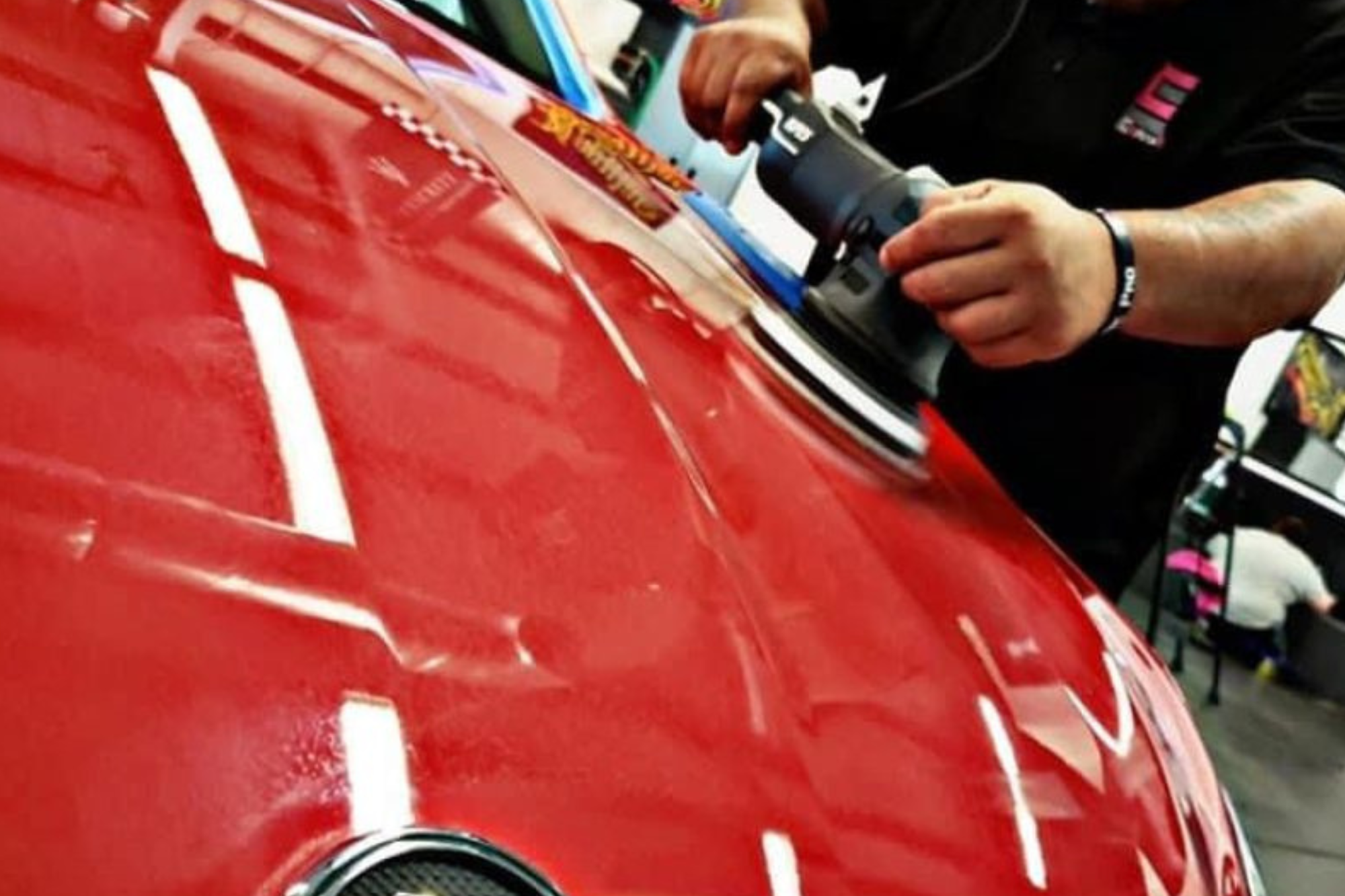
- Paint Correction: This is the most vital stage for older cars. It involves leveling the clear coat to remove swirls, light scratches, and oxidation.
- The Bond: A silica-based (SiO) coating is applied, creating a hydrophobic surface that makes the car look as though it were just driven off the showroom floor.
Comparing Traditional Wax vs. Ceramic Coating
For an older vehicle, the choice of protectant determines how long that rejuvenated look actually lasts. While many owners are used to the routine of waxing, older paint requires more structural support.
| Feature | Traditional Carnauba Wax | Professional Ceramic Coating |
| Durability | Short-term (weeks) | Long-term (years) |
| Heat Resistance | Low (can melt in high heat) | High (protects against UV rays) |
| Maintenance | Requires frequent re-application | Hydrophobic “self-cleaning” effect |
| Visual Effect | Soft, oily glow | Sharp, mirror-like gloss |
In areas like the Cumberland Avenue strip or the busier parts of the area, cars are exposed to higher levels of exhaust and industrial fallout. Choosing a professional ceramic coating in Knoxville, TN ensures the paint is shielded from these harsh elements, whereas a traditional wax simply cannot stand up to these conditions for more than a few washes.
5 Steps to Achieving a “New Car” Finish
Restoring an older vehicle requires a different approach than protecting a brand-new one. To get the best results, the application follows a specific sequence:
- Strip Wash: We use a high-pH soap to remove any old waxes, oils, or silicone-based dressings.
- Mechanical Decontamination: Using a specialized clay bar, we smooth the paint’s texture, removing contaminants.
- Machine Polishing: This step is critical for older cars to restore clarity by removing a microscopic layer of damaged clear coat.
- Surface Prep: We wipe the entire vehicle down to ensure a clinical bond between the paint and the coating.
- Leveling the Coating: The ceramic is applied and allowed to “flash” before being buffed to a high shine.
Applying a Precision Method for Restoring Clear Coats
Our facility uses a specialized approach designed to address the unique challenges of aging clear coats. Unlike standard “one-size-fits-all” techniques, this method focuses on the science of light refraction and the way older paint reflects light.
Over time, paint can become “tired,” losing its ability to reflect light cleanly. Our process begins with a detailed analysis of the remaining clear coat, including measurements of its density and condition. Based on these results, we select an application approach that allows the coating to penetrate deeper into the paint’s surface than conventional methods.
The goal is to maximize the optical depth of the color, ensuring that even older vehicles maintain a saturated, rich appearance. This method goes beyond simply enhancing shine; it restores the original color and vibrancy that the manufacturer intended. For anyone seeking high-quality paint protection or ceramic coating, this precision method delivers results that generic kits cannot achieve.
Debunking the Myth: “Ceramic Coating Fixes Deep Scratches”
A common industry misconception is that ceramic coating acts like a “filler” for deep scratches or chipped paint. You might hear people claim that a thick coating will hide the wear and tear of a decade of driving.
The Reality: Knoxville ceramic coatings are incredibly thin. While they are excellent at filling microscopic surface pores to increase gloss, they will actually highlight deep scratches or rock chips. Because the coating makes the surface more reflective, the edges of a deep scratch will catch more light, making the damage more visible. This is why professional paint correction is mandatory.
Long-Term Maintenance for Older Vehicles
Once an older car has been treated, the maintenance routine changes entirely. You no longer need to spend hours every weekend scrubbing the surface. Because the coating is hydrophobic, water and dirt slide off with minimal effort.
When driving through the North Knoxville area during the rainy season, you will notice that water beads up and rolls off the hood, taking surface dirt with it. This prevents the “filming” effect that often makes older cars look dingy. By reducing the need for aggressive scrubbing, you also prevent the introduction of new swirl marks, preserving the restoration results for years to come.
In Summary
Restoring an older vehicle to its former glory is a satisfying investment in both aesthetics and resale value. At Ceramic Pro Knoxville, combining professional paint correction with a high-quality ceramic coating allows you to effectively “freeze” your car’s condition in time. The result is a deep, reflective gloss and significantly easier maintenance, making it the top choice for owners who want their high-mileage vehicle to stand out on the road once more. Contact us today to schedule your consultation and give your vehicle the transformation it deserves!
People Also Ask
Does ceramic coating stop rust on older cars?
Ceramic coating can help prevent surface rust by sealing the paint and preventing moisture and oxygen from reaching the metal. However, it cannot stop rust that has already started.
Can you apply ceramic coating to a car with faded paint?
If the clear coat has completely failed (turning white or peeling), a ceramic coating will not fix it. The coating requires a stable surface to bond to. If the paint is just dull or oxidized, a professional can often restore it before coating.
How long does the process take for an older vehicle?
Because older cars require extensive decontamination and paint correction, the process typically takes longer than it would for a new car. The goal is to ensure the surface is perfect before sealing it.